


 Tel:
 Email:
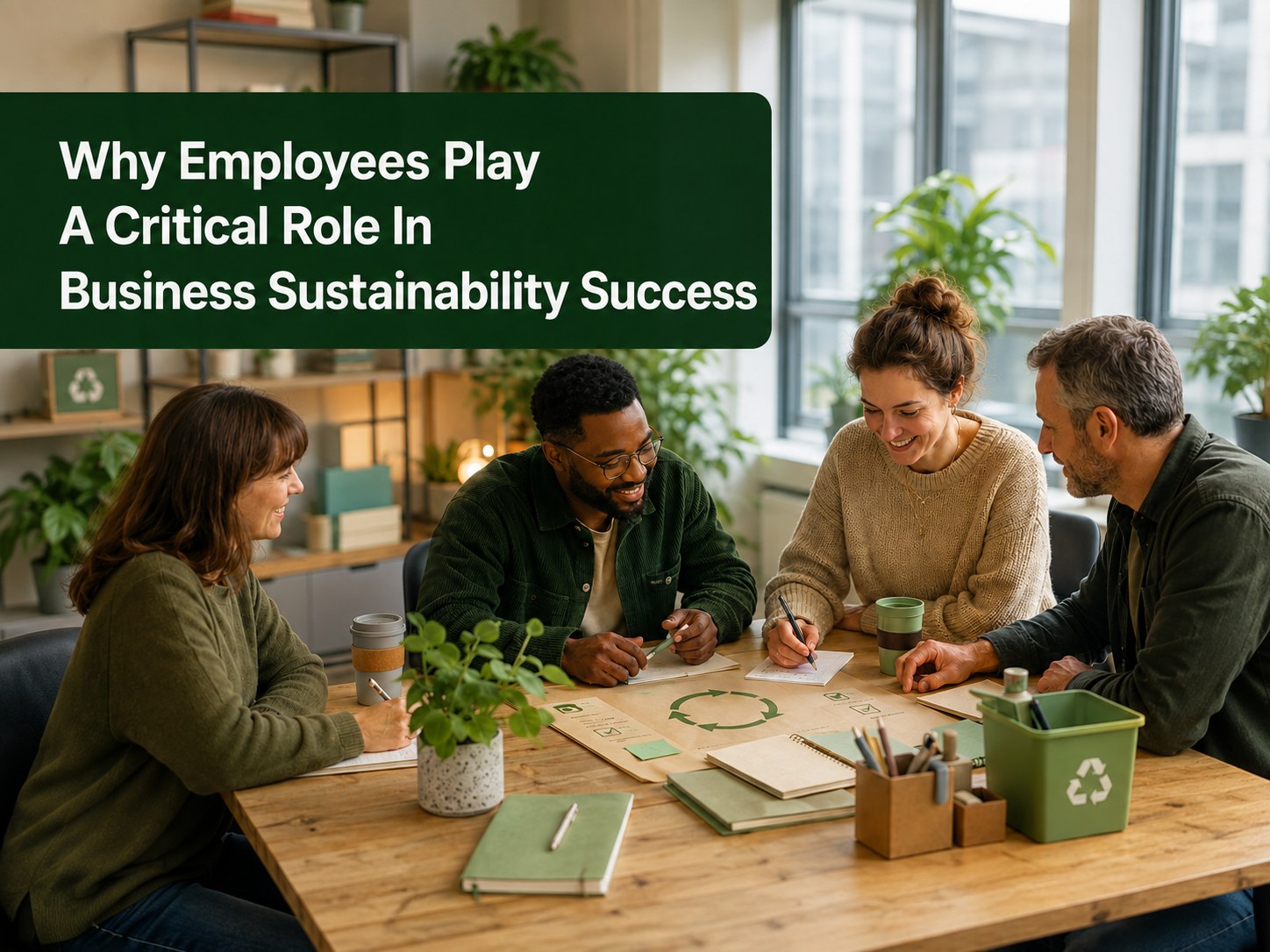
When businesses discuss sustainability, conversations often focus on policies, targets, reporting, procurement decisions, and environmental initiatives. While these elements are undoubtedly important, there is another factor that can have a significant influence on the success of any sustainability strategy: employees.
Sustainability is not achieved solely through business plans or company objectives. It becomes successful when the people within an organisation understand those goals, support them, and incorporate them into their daily activities.
At Greenstat, we believe sustainability should be embedded throughout an organisation rather than treated as a standalone initiative. Creating a more sustainable workplace often depends on the everyday actions, decisions, and behaviours of the people who work within it. Our focus on helping organisations reduce their environmental impact extends beyond products and services to the wider culture of sustainable business practices.
Sustainability Requires Everyday Action
Many sustainability objectives rely on consistent actions taking place throughout the organisation.
Reducing waste, making responsible purchasing decisions, improving resource efficiency, and supporting environmentally conscious workplace practices often involve employees across multiple departments. Even well-designed sustainability programmes can struggle to achieve their goals if employees are not actively engaged in the process.
This is because sustainability is not simply a leadership issue. It is something that touches every area of a business and often requires participation from people at all levels.
When employees understand why sustainability matters and how their actions contribute to wider objectives, organisations are often better positioned to achieve meaningful results.
Building A Sustainable Workplace Culture
One of the most effective ways to support long-term sustainability success is through workplace culture.
A culture that values sustainability encourages employees to think about environmental impact as part of everyday decision-making. This can influence everything from purchasing choices and resource use to waste reduction and workplace habits.
Greenstat's approach to sustainability focuses on helping businesses make environmentally responsible choices throughout the workplace. This includes encouraging the use of sustainable office products and supporting organisations that want to reduce their environmental footprint through practical actions.
When sustainability becomes part of the company culture rather than a separate initiative, it is often easier to maintain momentum over the long term.
Employees Help Turn Goals Into Reality
Many businesses set ambitious sustainability objectives.
However, achieving these objectives often depends on employees implementing changes in practice. A sustainability policy may outline goals and intentions, but employees are frequently the people responsible for translating those goals into everyday actions.
For example, organisations seeking to reduce waste may rely on employees to make responsible purchasing decisions, minimise unnecessary consumption, and support recycling initiatives. Similarly, businesses aiming to create more sustainable workplaces often depend on staff embracing new processes and ways of working.
The more employees understand and support these objectives, the more likely sustainability initiatives are to become embedded within the organisation.
Encouraging Ownership And Responsibility
Successful sustainability programmes often create a sense of shared responsibility.
When employees feel connected to sustainability goals, they are more likely to take ownership of their role in supporting them. This can help create a workplace where environmental considerations become part of everyday thinking rather than something addressed only occasionally.
Employee engagement can also encourage individuals to identify opportunities for improvement that may otherwise be overlooked.
People working within different departments often have valuable insights into how processes, resources, and workplace practices could be improved. By involving employees in sustainability conversations, organisations may benefit from a wider range of ideas and perspectives.
Sustainability Often Starts With Small Changes
Not every sustainability improvement requires major investment or large-scale operational change.
In many cases, small actions taken consistently across an organisation can contribute to broader environmental objectives. Reducing unnecessary waste, choosing sustainable office products, rethinking resource consumption, and adopting environmentally conscious workplace habits can all form part of a wider sustainability strategy.
Greenstat supports businesses through products and solutions designed to help reduce environmental impact within the workplace. From recycled office supplies to environmentally responsible workplace products, we help organisations make practical changes that support their sustainability goals.
When employees participate in these everyday actions, the cumulative impact can be significant.
Sustainability Supports Employee Engagement
Sustainability is not only beneficial for the environment. It can also contribute positively to employee engagement.
Many employees increasingly want to work for organisations that demonstrate a commitment to environmental responsibility. When businesses actively pursue sustainability initiatives, it can help create a sense of purpose and shared direction within the workplace.
Research into sustainable business practices highlights the strong relationship between organisational culture, employee engagement, and sustainability outcomes. Businesses that encourage employee participation in sustainability initiatives often report higher levels of engagement and involvement in environmental objectives.
This can help create a more positive workplace culture while supporting broader sustainability ambitions.
Leadership And Employee Involvement Must Work Together
While employees play a crucial role, effective sustainability programmes typically require support from leadership as well.
Leaders help establish priorities, allocate resources, and communicate organisational objectives. Employees then help implement those objectives through their daily activities and decisions.
The most effective sustainability strategies often involve collaboration across the entire organisation. When leadership demonstrates commitment and employees feel empowered to contribute, sustainability initiatives are more likely to gain traction and deliver meaningful results.
This shared approach helps ensure sustainability becomes part of how the organisation operates rather than simply a set of targets on paper.
Creating Long-Term Behavioural Change
One of the biggest challenges facing any sustainability initiative is maintaining momentum.
Short-term campaigns may generate initial enthusiasm, but lasting environmental improvements often require long-term behavioural change. Employees play a central role in achieving this because they influence how workplace practices evolve over time.
Embedding sustainable behaviours into everyday routines helps ensure environmental objectives continue to be supported long after a specific initiative has been launched.
This is one reason why employee engagement remains such an important part of sustainability success.
Sustainable Purchasing Decisions Matter
Purchasing decisions represent one area where employees can have a direct impact on sustainability outcomes.
Many businesses purchase office supplies, equipment, and workplace products regularly. Choosing environmentally responsible alternatives can help reduce environmental impact while supporting wider sustainability objectives.
Greenstat provides a range of sustainable office products designed to help organisations make more environmentally responsible purchasing decisions. Our focus is on providing practical solutions that support businesses seeking to reduce their environmental footprint without compromising quality or productivity.
Employees involved in procurement and purchasing therefore have an important role to play in supporting sustainability goals.
Sustainability Extends Beyond Environmental Targets
Although environmental performance is often the focus of sustainability discussions, sustainable business practices also involve people and workplace culture.
Organisations that encourage employee participation in sustainability initiatives often create stronger engagement with environmental objectives and a greater sense of collective responsibility.
This broader approach helps businesses move beyond simple compliance and towards a culture where sustainability becomes part of everyday operations.
How Greenstat Can Help
At Greenstat, we help organisations reduce their environmental impact through practical workplace sustainability solutions. From recycled office supplies and sustainable office products to environmentally responsible workplace alternatives, we support businesses that want to make more sustainable choices. Our aim is to help organisations create workplaces where sustainability becomes part of everyday business practice.
By providing practical solutions and promoting sustainable workplace habits, we help businesses take meaningful steps towards their environmental goals.
Conclusion
Employees are often the driving force behind successful sustainability initiatives. While policies, targets, and leadership commitment are important, it is the day-to-day actions of employees that help turn sustainability ambitions into reality.
By creating a workplace culture that encourages participation, responsibility, and environmentally conscious decision-making, businesses can strengthen their sustainability efforts and support long-term success.
At Greenstat, we believe that sustainability works best when it becomes part of everyday business life. By empowering employees and making sustainable choices more accessible, organisations can build a stronger foundation for achieving their environmental objectives.
